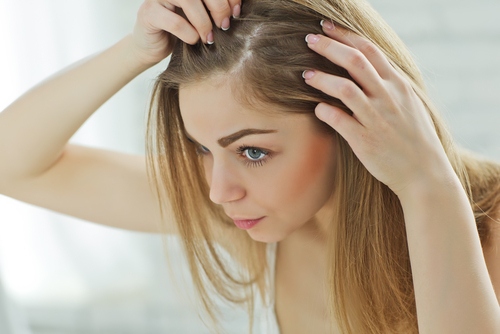
Frequent hair coloring can leave your hair looking vibrant, but repeated chemical treatments may also cause dryness, brittleness, and breakage. For Greensboro, NC residents who regularly color their hair, understanding how dyes affect hair strength is essential to maintaining healthy-looking strands. Seasonal humidity, summer heat, and everyday styling habits can make managing already damaged hair more challenging.
Quick Answer: Yes, frequent hair coloring can cause hair damage and breakage, particularly when permanent dyes, bleach, or lightening treatments are applied repeatedly. These processes can weaken the hair cuticle, reduce moisture retention, and make strands more vulnerable to snapping. While proper spacing between treatments and gentle hair care can help limit damage, severely compromised hair cannot always be restored to its original condition. Residents experiencing noticeable thinning or breakage may benefit from professional hair and scalp assessments.
What Greensboro Residents Should Know
-
Permanent hair dyes and bleach can alter the hair’s structure, increasing the likelihood of dryness and breakage.
-
Greensboro’s humid summers can contribute to frizz and additional styling challenges for chemically treated hair.
-
Repeated lightening, heat styling, and overlapping color treatments can increase cumulative damage.
-
Residents throughout Guilford County should distinguish hair breakage from actual hair loss because the causes and solutions may differ.
-
Professional hair replacement solutions can help address cosmetic concerns when damage results in visible thinning or reduced coverage.
Why Frequent Hair Coloring Matters for Hair Health in Greensboro
Frequent hair coloring matters because repeated chemical processing can weaken strands over time, especially when hair is already dry or damaged. In Greensboro, changing seasonal conditions and regular styling routines can make chemically treated hair more difficult to manage, increasing the importance of gentle maintenance and recognizing early warning signs.
Permanent hair dyes often use alkaline agents and oxidizing chemicals to change the hair’s natural pigment. Bleaching typically involves stronger lightening processes that can affect the hair’s protective cuticle and internal structure.
Once this protective structure becomes compromised, hair may lose elasticity, feel rough, and break more easily during brushing or styling.
For residents in neighborhoods such as Fisher Park, Lindley Park, and New Irving Park, daily routines may involve frequent blow-drying, straightening, or other styling methods. Combining these habits with repeated coloring can place additional stress on already processed hair.
At Raveen Hair Replacement, we understand that visible hair damage and thinning can affect how comfortable people feel with their appearance. We encourage individuals to recognize the difference between damaged hair shafts and hair loss originating at the scalp so they can explore appropriate solutions.
Local Data or Field Observations: How Greensboro’s Climate Affects Colored Hair
Greensboro’s seasonal humidity, summer warmth, and cooler winter conditions can influence how colored hair looks and behaves, although local weather does not automatically cause chemical breakage. Hair that has already been weakened by coloring may become more difficult to style as moisture levels and daily routines change.
North Carolina’s Piedmont region experiences warm, humid summers and cooler winters. These seasonal changes can affect hair management in several ways.
During humid weather, porous, chemically treated strands may absorb moisture from the air and become frizzy. Some people respond by using straighteners or blow-dryers more frequently, which can increase heat-related damage.
During colder months, indoor heating and lower humidity may contribute to a feeling of dryness. Already damaged hair can become more difficult to detangle and may snap when handled roughly.
These are general hair-care considerations based on regional conditions, not measured findings about hair damage rates among local residents.
Local Impact: How Hair Coloring Damage Affects Everyday Life
Hair coloring damage can affect everyday life by making hair harder to style, reducing its apparent fullness, and increasing the time needed for maintenance. For Greensboro residents who color their hair regularly, persistent breakage may also make it difficult to maintain a preferred haircut or hairstyle.
Damage can appear as uneven lengths, thinning-looking ends, or short broken strands around the hairline and crown.
People with significant breakage may spend more on conditioning treatments, styling products, and corrective salon appointments. Others may begin avoiding certain hairstyles because their hair no longer provides the desired coverage or volume.
The distinction between breakage and hair loss matters. Broken strands may eventually be replaced through normal growth, but hair that is shedding excessively or thinning at the roots may require a different evaluation.
Warning Signs of Hair Damage From Frequent Coloring
Warning signs of hair damage from frequent coloring include unusual dryness, increased tangling, visible splitting, and strands that snap during ordinary grooming. Identifying these changes early can help Greensboro residents reduce further stress on their hair before the damage becomes more noticeable.
Watch for these seven signs:
-
Excessive dryness: Hair feels rough or straw-like even after conditioning.
-
Frequent breakage: Short pieces of hair appear on clothing, brushes, or bathroom counters.
-
Split ends: Hair ends separate into multiple sections and continue fraying.
-
Loss of elasticity: Wet hair stretches excessively, feels gummy, or breaks with gentle handling.
-
Uneven hair lengths: Broken strands create irregular layers or shorter patches.
-
Increased tangling: Hair knots easily, particularly after washing.
-
Visible thinning: Hair appears less full because of breakage, shedding, or a combination of both.
Sudden shedding, bald patches, scalp pain, or inflammation should not automatically be attributed to coloring. These symptoms deserve medical attention.
When Should You Seek Professional Help for Hair Coloring Damage?
Professional help is appropriate when hair breakage becomes persistent, visible thinning develops, or home care no longer improves manageability. Greensboro residents should consult a qualified hairstylist for chemical damage concerns and a dermatologist when symptoms suggest scalp disease, unusual shedding, or hair loss originating at the roots.
A hairstylist can assess whether additional coloring is advisable and recommend gentler processing techniques or trimming damaged ends.
A dermatologist can help investigate hair loss associated with medical conditions, inflammation, or other underlying factors.
When hair damage or thinning creates a cosmetic coverage concern, we can help individuals explore hair replacement options suited to their appearance goals.
The appropriate next step depends on whether the concern involves damaged strands, active hair loss, or both.
Common Causes of Hair Breakage Among Greensboro Residents Who Color Their Hair
The most common causes of coloring-related breakage include repeated bleaching, overlapping chemical treatments, excessive heat styling, and rough handling. For residents throughout the Greensboro area, seasonal styling adjustments can add to these stresses when hair has already been weakened by chemical processing.
1. Frequent bleaching and lightening
Bleach removes natural pigment through oxidation. Repeated applications can damage the hair cuticle and weaken the internal protein structure.
2. Overlapping color treatments
Applying permanent color or lightener repeatedly to previously processed lengths may increase damage, particularly when the hair is already porous.
3. Excessive heat styling
Flat irons, curling irons, and blow-dryers can increase damage when used at high temperatures or without appropriate precautions.
4. Aggressive brushing and detangling
Chemically treated hair may be more fragile when wet. Pulling through knots can lead to additional snapping.
5. Tight hairstyles and extensions
Styles that place repeated tension on the hair may contribute to breakage. Prolonged tension can also cause traction alopecia, a form of hair loss that affects the follicles.
Prevention and Maintenance: Protecting Colored Hair in Greensboro
Preventing coloring-related breakage involves reducing chemical exposure, limiting unnecessary heat, and handling fragile strands gently. Greensboro residents can also adjust their routines during humid summers and drier winter conditions to maintain manageability without relying on aggressive styling.
Practical prevention steps include:
-
Space chemical treatments according to your hair’s condition and a qualified colorist’s guidance.
-
Avoid repeatedly applying bleach to previously lightened hair.
-
Use shampoos and conditioners formulated for color-treated or damaged hair.
-
Reduce high-temperature styling and use heat-protective products when appropriate.
-
Detangle gently with suitable tools, beginning at the ends.
-
Trim split ends before they travel farther along the hair shaft.
-
Consider lower-maintenance color techniques that reduce frequent processing.
During Piedmont summers, humidity-friendly hairstyles may help reduce the temptation to straighten or restyle hair repeatedly.
If hair feels gummy, snaps easily, or shows severe damage, pause additional chemical treatments until a professional evaluates its condition.
Expected Results: Can Damaged Hair Recover After Frequent Coloring?
Damaged hair can become easier to manage with conditioning, reduced chemical processing, and gentler styling, but severely damaged hair shafts cannot biologically repair themselves. Greensboro residents should expect improvement in softness and appearance rather than a complete reversal of structural damage caused by repeated coloring.
Conditioning products can temporarily smooth the cuticle and reduce friction. Certain bond-building treatments may improve some mechanical properties of damaged hair, but results vary.
New hair growth may be healthier when the damaging practices are reduced and the follicles remain healthy.
Hair replacement solutions serve a different purpose. They can improve the appearance of coverage and fullness without requiring damaged natural hair to regain its original strength.
Common Mistakes That Make Coloring Damage Worse
Common mistakes that worsen coloring damage include immediately recoloring compromised strands, relying on excessive heat to hide frizz, and assuming all visible thinning is caused by breakage. Greensboro residents can reduce further damage by recognizing these habits and choosing a more appropriate response.
| Mistake | Possible consequence | Better approach |
|---|---|---|
| Bleaching already fragile hair | Increased snapping and uneven lengths | Have a colorist assess hair strength first |
| Straightening hair repeatedly during humid weather | Additional heat damage | Use lower-heat styling methods |
| Ignoring split ends | Continued fraying | Schedule appropriate trims |
| Using tight styles to hide thinning | Additional tension and possible traction damage | Choose lower-tension styling |
| Treating unexplained shedding as ordinary breakage | Delayed identification of an underlying condition | Seek a medical evaluation when appropriate |
Common Local Scenario: When Regular Coloring Leads to Visible Breakage
A common local scenario involves a Greensboro resident who regularly lightens their hair and begins noticing dryness, short broken strands, and reduced fullness around the ends. The problem may become more noticeable during humid weather when additional styling is used to control frizz.
For example, someone living near Friendly Center may routinely color their hair every few weeks while also using heated styling tools.
Over time, repeated processing could make their hair more fragile. They might notice increasing tangles and shorter strands after brushing.
A colorist may recommend pausing lightening treatments and adjusting the maintenance routine. If visible thinning remains a concern, cosmetic hair replacement options may be worth exploring.
This is an illustrative scenario, not a documented customer case.
Related Hair Replacement Solutions for Visible Thinning and Breakage
Hair replacement solutions can help improve the appearance of fullness when breakage or hair loss creates noticeable gaps, uneven density, or reduced coverage. For Greensboro residents, the most suitable option depends on the amount of existing hair, the condition of the scalp, styling preferences, and the desired appearance.
Non-surgical cosmetic options may include hairpieces, toppers, or customized hair systems, depending on individual needs and provider availability.
These solutions do not reverse chemical damage or treat medical causes of hair loss. Instead, they focus on the appearance of hair coverage and styling flexibility.
At our business, we encourage individuals to understand the underlying concern before selecting a cosmetic solution. A clear assessment of hair condition and personal goals helps guide the discussion.
Comparing Your Options: Hair Repair, Medical Evaluation, or Hair Replacement
Choosing between hair repair, medical evaluation, and hair replacement depends on whether the main concern is damaged strands, hair loss from the scalp, or cosmetic coverage. Greensboro residents can use the differences below to identify an appropriate starting point.
| Option | Best suited for | Main limitation |
|---|---|---|
| Gentle hair care and conditioning | Mild dryness, frizz, and manageable breakage | Cannot fully reverse structural damage |
| Professional haircut or color correction | Split ends, uneven lengths, or overprocessing | May require removing damaged length |
| Dermatologist evaluation | Unexplained shedding, scalp symptoms, or bald patches | Does not provide immediate cosmetic coverage |
| Non-surgical hair replacement | Visible thinning or desired additional fullness | Does not medically treat hair loss or repair damaged shafts |
Some individuals benefit from combining approaches, such as addressing the cause of hair damage while exploring cosmetic coverage.
Service Areas: Hair Replacement Considerations Across Guilford County
Residents in Greensboro and nearby communities such as High Point, Jamestown, and Summerfield may face similar concerns involving repeated hair coloring, breakage, and visible thinning. We encourage individuals throughout the Guilford County area to explore appropriate hair-care and cosmetic solutions based on their individual needs.
The Cost of Ignoring Hair Coloring Damage
Ignoring hair coloring damage can lead to continued breakage, uneven hair lengths, and additional corrective styling expenses. For Greensboro residents, repeatedly processing already fragile strands may make it harder to maintain the desired hairstyle and can increase the amount of damaged hair that eventually needs trimming.
Waiting may also prolong uncertainty when thinning is actually caused by a medical condition rather than chemical damage.
Addressing early warning signs can help protect remaining hair and make future styling decisions more manageable.
Frequently Asked Questions About Hair Coloring Damage in Greensboro, NC
1. Can coloring your hair every four weeks cause breakage?
Yes, coloring hair every four weeks can contribute to breakage, especially when bleach or permanent dye repeatedly overlaps previously treated strands. The risk depends on the formulation, application method, hair condition, and processing history. A Greensboro colorist can help determine whether your current coloring schedule is appropriate.
2. Does Greensboro’s humid weather make colored hair break more easily?
Greensboro’s humid weather can make chemically treated hair frizzier and more difficult to style, but humidity alone does not necessarily cause breakage. The greater concern is repeatedly using high heat or aggressive brushing to control frizz. Gentler styling habits can help limit additional stress on weakened strands.
3. Can hair grow back after breaking from bleach?
Yes, hair generally continues growing from healthy follicles after the existing strands break from bleach damage. However, the broken hair shaft itself cannot regenerate. Residents in Guilford County who notice excessive shedding, scalp irritation, or bald patches should seek medical evaluation to determine whether another condition is involved.
4. Is permanent hair dye more damaging than semi-permanent color?
Permanent hair dye generally creates more structural change than many semi-permanent products because it commonly uses oxidative chemistry and alkaline agents. However, damage depends on the specific formula, application, and hair condition. Residents considering frequent color changes should ask their stylist about gentler alternatives and appropriate treatment intervals.
5. How can Greensboro residents prevent breakage during summer?
Greensboro residents can reduce summer breakage risks by limiting unnecessary heat styling, conditioning regularly, and choosing hairstyles that manage humidity without excessive tension. Chemically treated hair may require particularly gentle detangling. Avoiding repeated bleaching and using suitable hair-care products can also help preserve strand strength.
6. When should I see a dermatologist for thinning hair in Guilford County?
A dermatologist is appropriate when thinning is sudden, progressive, patchy, or accompanied by scalp redness, pain, itching, or unusual shedding. Hair coloring can damage shafts, but not every thinning concern comes from chemicals. Medical evaluation helps distinguish breakage from conditions affecting the follicles or scalp.
7. Can hair replacement help if frequent coloring has made my hair look thin?
Yes, cosmetic hair replacement can help create the appearance of fuller hair when breakage or hair loss reduces visible coverage. Options may include hairpieces, toppers, or hair systems. The best choice depends on your existing hair, scalp condition, and preferences. These solutions do not repair chemically damaged strands.
8. Should I stop coloring my hair if I notice breakage?
Yes, temporarily stopping or reducing chemical coloring is generally advisable when noticeable breakage develops. Continuing to bleach or process fragile hair may worsen the damage. A qualified stylist can evaluate your hair before additional treatments. If the problem involves unusual shedding rather than broken strands, consult a dermatologist.
9. Can people in High Point and Jamestown experience the same coloring-related hair damage?
Yes, residents of High Point, Jamestown, and surrounding Piedmont communities can experience the same chemical damage associated with frequent coloring. The primary risks come from processing methods and hair condition rather than location. Regional humidity and seasonal styling habits may influence how easily already damaged hair can be managed.
Protect Your Hair and Explore Solutions for Lasting Confidence
Frequent hair coloring can contribute to breakage, dryness, and reduced fullness, but recognizing the warning signs early can help prevent additional damage. For residents throughout the Greensboro area, combining gentle hair care with appropriate professional guidance is a practical way to protect existing hair.
When visible thinning affects your preferred appearance, we can help you explore cosmetic hair replacement possibilities without assuming that every concern has the same cause.
Restore the Look of Fuller Hair in Greensboro, NC
Explore hair replacement options with Raveen Hair Replacement and take an informed next step toward an appearance that feels right for you.